

Did you have a wonderful holiday season surrounded by your loved ones? Did you indulge yourself by diving into Aunt Janine's less-than-healthy buffet or Uncle Louis's scotch? We understand! Following these little indulgences, we'd like to share our health tip with you: Chaga! This medicinal mushroom is a natural detoxifier and an immune system booster that will quickly get you back in shape to kick off 2019!
What is Chaga?
Chaga is a medicinal mushroom found in southern forests, including those of Quebec. Our province is in fact renowned for its chaga, which is sold all over the world due to its incredible properties, its rarity, and the quality of Quebec chaga.
Inonotus obliquus, commonly known as Oblique Polypore or Chaga (a Latinization of the Russian word "chaga"), is a fungus of the genus Inonotus in the family Hymenochaetaceae. It is often considered a parasite of birch trees, integrating itself into the trunk and bark, but its role is quite different. In fact, Chaga only forms when the birch tree is injured, thus aiding its regeneration.
Its development can take 20 to 30 years inside the trunk, then between 3 and 10 years outside. It is at this stage that harvesting is recommended. Chaga accompanies the birch tree until its death. This highlights the very long formation time and the fact that this natural resource remains rare, unsustainable, and must be harvested respectfully and sparingly.
Why consume Chaga?
Antioxidant, fortifying, anti-allergic, antiviral, antiseptic, healing, detoxifying, anti-inflammatory, antitumor, lowers blood sugar levels and blood pressure… to name just a few of its virtues.

Chaga, the king of mushrooms, truly deserves its title.
Why does this mushroom possess these super medicinal powers? There have been many studies on chaga, but studies based on in-depth research are rare. Here is a very comprehensive website where the facts are highlighted and the myths debunked: https://oriveda.wordpress.com/chaga-the-facts/ .
However, some of its chemical components are undeniable; for example, chaga contains high levels of riboflavin and niacin. It is also rich in phenol, a component that strengthens the skin, as well as copper, calcium, potassium, manganese, zinc, and iron. It contains more SOD CoEnzyme 10 (CoQ10) and more vitamins C and E than barley grass, algae, prunes, fish oils, and essential oils. It is also one of the world's best sources of pantothenic acid, a vitamin essential for well-being, as it is crucial for the metabolism of various energy-producing nutrients: carbohydrates (sugars), lipids (fats), and amino acids (the building blocks of proteins). This mushroom combats oxidative stress (linked to skin aging), prevents or slows cancer growth , and lowers low-density lipoproteins (LDL) , the "bad" cholesterol. All studies point to the significant benefits of this mushroom for humans - both indoors and outdoors.
Note that Health Canada classifies Chaga as a natural health product. However, the government agency suggests that pregnant or breastfeeding women consult a healthcare professional before consuming it. It's important to do your own research and form your own opinion about its benefits. One thing is certain: consuming Chaga regularly could have a real positive impact on your overall well-being thanks to its immune-supporting properties, detoxifying effect, and ability to boost energy. Give it a try!
How to consume chaga?
We highly recommend trying our MushUp VITAL coffee , which contains potent chaga extracts. This allows you to easily and regularly consume them directly in your favorite morning beverage.
It is undeniable that for hundreds of years, chaga, often prepared as a tea, has been consumed by several Eastern European and Asian peoples for its various benefits. This decoction was (and still is) particularly popular among hunters and foresters, as this beverage relieves hunger, alleviates fatigue, refreshes, and increases work capacity. Chaga tea is also used as a way to improve overall well-being.
Chaga's cell walls are composed of chitin, one of the hardest natural materials, making Chaga indigestible for humans without proper cooking. Here's how to prepare your Chaga for an infusion:
| Grams/litre of water (32 fl oz) | Infusion time | Reuse | |
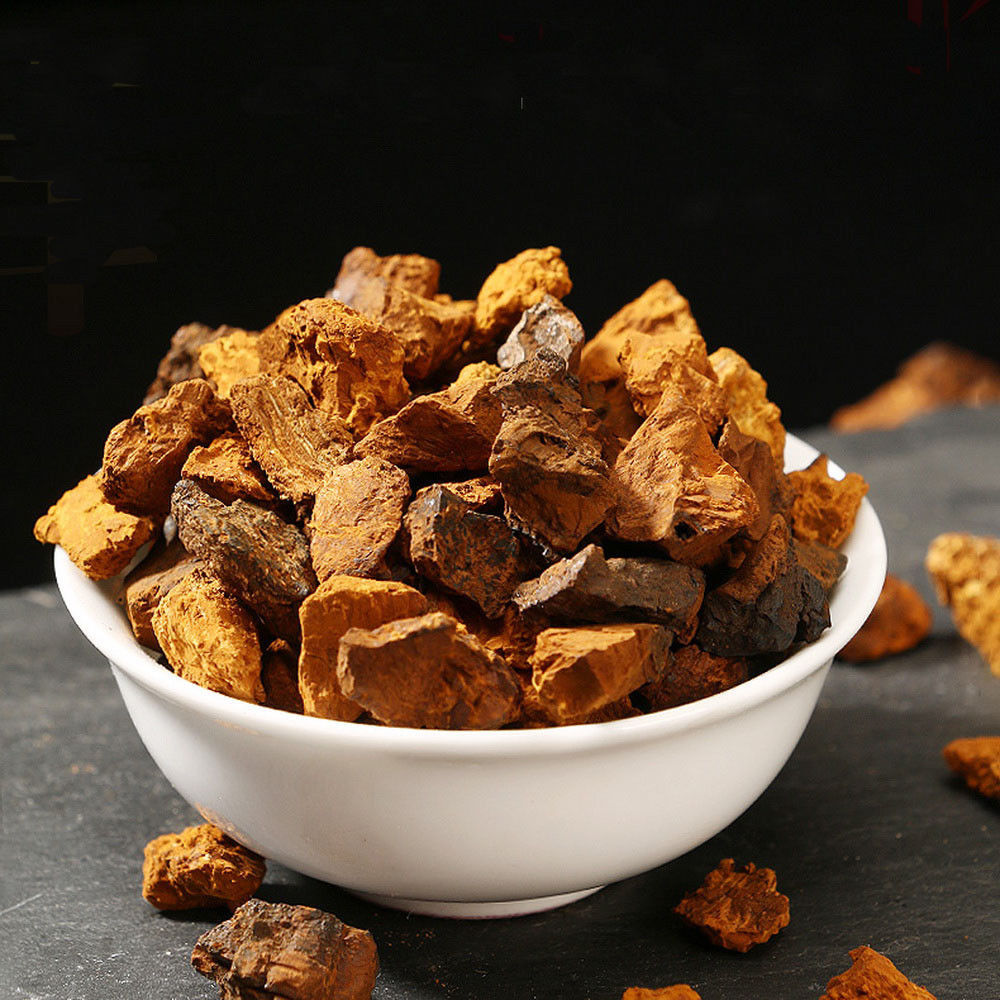
| Pieces | 14 g (5-7 pieces) | 3 to 4 hours minimum | 3-4 times |
| Nuggets | 14 g (1/4 cup) | 3 to 4 hours minimum | 1-2 times |
| Powder | 10g (heaping tablespoon) | 1 to 2 hours | None |
Place the pot on the stovetop and cook over low to medium heat – we strongly recommend keeping the water below boiling, as excessive heat can destroy some of the active ingredients. With the hot water extraction method, you will obtain a potent tea in two to eight hours, depending on whether you use Chaga powder, nuggets, or chunks.
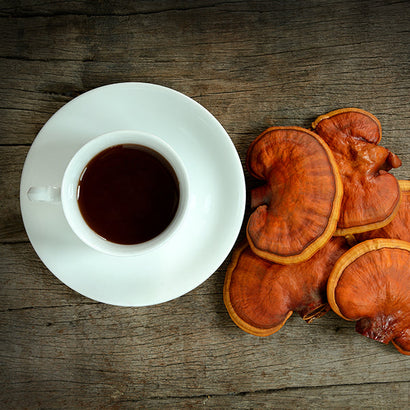
The tea is ready when the liquid is black, like coffee. Keep in mind that you will need to adjust the amount of tea per gram and the brewing time when reusing the product to achieve the desired strength.
It is also interesting to learn that the Khanty (one of the first peoples to consume chaga, located in Siberia) used chaga to make soapy water. The Cree, for their part, harvested the soft, brownish-yellow husk from the heart of the chaga to start a fire —a technique still commonly used in Russia by chaga harvesters.
To learn more about chaga and its incredible properties, you'll find several interesting links below. To purchase chaga in an eco-friendly way, we recommend Mycoboutique in St-Denis, or Chaga.ca, or contact us if you'd like to purchase triple-extracted extracts of our mushrooms.
NOTE: If you have any leftover Chaga tea, don't throw it away. Simply pour the excess into a container and store it in the refrigerator. The tea can be enjoyed both hot and cold, so there's no need to reheat it before drinking. You can also freeze your Chaga tea. Ideally, you can make ice cubes and then add them to other beverages, thus increasing their nutritional value.
To learn more about chaga, visit our "Mushrooms with Superpowers" section.
References for this article:
Chaga, the facts:
https://oriveda.wordpress.com/chaga-the-facts/
"Chaga, the mushroom that loves winter," La Presse
https://www.lapresse.ca/vivre/gourmand/201601/26/01-4943874-chaga-le-champignon-qui-aime-lhiver.php
WebMD: Chaga
https://www.webmd.com/vitamins/ai/ingredientmono-1474/chaga
Research - Chaga
https://oriveda.com/resources.php
Chaga article
https://articles.mercola.com/teas/chaga-tea.aspx
Bloggers and webmasters:
Please republish your favorite MushUp content. You can do so for free. We only ask that you attribute the content to the author, include the short statement "This article is courtesy of MushUp," and link back to this website. Thank you!