



Caffeine, caffeine, caffeine! It's with us every day, giving us a boost in the morning and even later in the day. While it can have positive effects on the body, it's important to highlight the risks that overconsumption can cause. We'll explain everything in detail!
A bit of history
To trace the origins of coffee, one must travel to Ethiopia, the birthplace of its shrub, the coffee plant. Legend has it that in the 16th century, a shepherd discovered coffee after his goats ate the berries of a coffee tree and became more restless. After tasting the berries himself and experiencing their energizing effect, the shepherd shared his discovery with others; they made a decoction of the berries in water, and this practice spread with the success we know today.
While the story is charming, science contradicts it: coffee is indeed believed to have originated in Ethiopia, but has been consumed since prehistoric times!
These are staggering figures.
With global consumption of around 9.4 million tonnes per year, coffee is the second most consumed commercial commodity in the world after oil, and the second most consumed beverage after water.
Caffeine, meanwhile, is consumed at a rate of 120,000 tons per year, primarily through coffee, according to a study by
Health Canada . It is estimated that 60% of the caffeine consumed by adult Canadians comes from this flagship beverage, compared to 30% for tea and 10% for cola drinks, medications and chocolate products.
Once ingested, our small molecule penetrates all tissues, including those of the brain. Its stimulating action comes from the fact that it acts primarily on neurotransmitters in the central nervous system, one of which, called adenosine, causes the feeling of fatigue.
The effects of caffeine are felt in the body 45 to 90 minutes after ingestion. It takes 2.5 to 4.5 hours for its effects to decrease by half and up to 15 additional hours for it to be completely eliminated.
Caffeine in moderate doses: what are the health benefits?
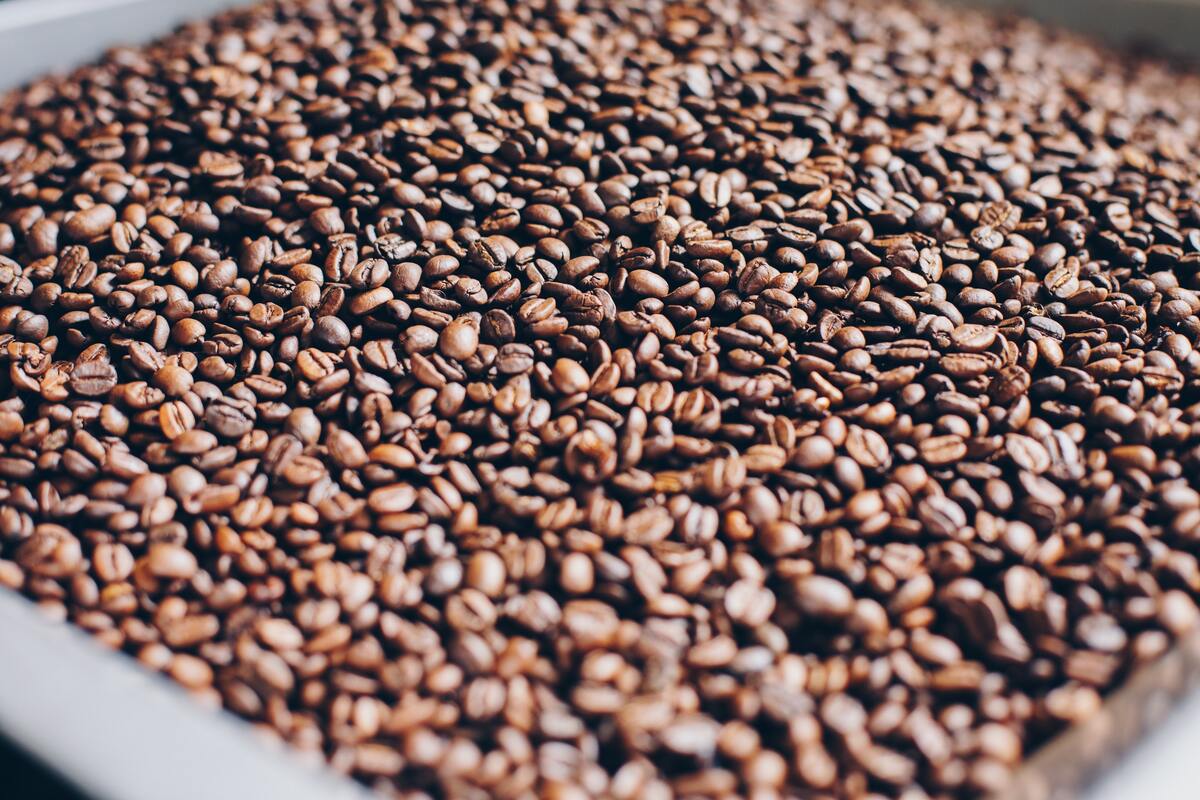
Coffee has numerous health benefits. In addition to being an antioxidant, it contains vitamins B2, B3, B5, and B6. It is also rich in minerals and trace elements: potassium, magnesium, and calcium.
The caffeine it contains has some health benefits when consumed in moderate doses. Acting as a stimulant on the central nervous system, it has positive effects on cognitive functions: it reduces drowsiness, increases attention, and improves concentration.
In addition to its effect on memory, it activates digestion and promotes intestinal transit.
Several studies also attribute to it positive effects on life expectancy, type 2 diabetes , cardiovascular diseases and Parkinson's disease .
This prized molecule finally makes it possible to improve physical performance by increasing endurance and muscle strength.
Excessive caffeine: what are the risks?
While caffeine is sometimes credited with certain benefits, it's important to know that excessive caffeine consumption poses health risks. It can, in fact, exacerbate symptoms of anxiety, nervousness, and irritability, and prevent you from getting restful sleep.
It can also be linked to an accelerated heart rate and be the cause of palpitations which can, on occasion, cause dizziness.
Known for its laxative properties, excessive caffeine consumption can also lead to gastrointestinal problems.
Be vigilant: prolonged caffeine consumption can lead to addiction and is generally not recommended for people suffering from heart disease, anxiety disorders, stomach ulcers, insomnia or high blood pressure.
And what about MushUp coffee?
Mushrooms and caffeine are perfect partners in their complementarity, and the adaptogenic properties of the mushrooms infused in MushUp coffees help support the body in assimilating caffeine.
They act in our body like a "pacemaker" or a shield to counter the tremors, acidity and anxiety that this caffeine consumption can cause, particularly the Reishi present in all our recipes.
In any case, avoid exceeding the doses that cause you adverse effects: listen to your body! :)