


Goodbye beer, wine, and happy hour! More and more consumers are trying out periods of varying lengths of "alcohol-free" time during which they don't drink a drop. The "Dry January" concept, which encourages people to abstain from alcohol during the month of January each year, fits perfectly into this trend. And it turns out that the positive effects of this alcohol-free period on health are very real. Here are six of these benefits, along with our top tips for making the most of your dry January.
But where did “Dry January” actually come from? After the holiday season, a time of overindulgence, January seems like the perfect month to take a break from alcohol. At least, that's what the British organization Alcohol Change UK thought when they launched the challenge in 2013 as part of a public health campaign . The movement has since gained popularity and taken on an international dimension. How can we explain this enthusiasm? Abstaining from alcohol for (even) just one month has positive effects on health.
Good for the body, the mind, and the wallet
A 2019 study by the University of Sussex demonstrated the benefits of such a treatment: out of 6,000 participants, 86% saved money , 81% felt more in control of their alcohol consumption, 70% slept better, 67% saw their concentration improve, 66% gained energy, 65% saw their general health improve and 54% lost weight.
Let's take a closer look at these 6 benefits:
Although alcohol can induce sleep, it still disrupts the natural sleep cycle and leaves you feeling tired upon waking.
Consuming alcohol weakens the immune system and reduces the body's ability to defend itself against infections and diseases.
Alcohol can be high in calories—150 calories for a glass of beer or wine—while providing little to no nutritional value. This is why it is often excluded from weight-loss diets.
It's no secret that alcohol promotes inflammation and is a major cause of liver disease. A 2013 study published in the British magazine New Scientist demonstrated a 15% reduction in liver fat in subjects who abstained from alcohol for five weeks.
Not drinking alcohol leads to an improvement in blood pressure, but also a reduction in cholesterol levels and the risk of developing heart disease.
Alcohol dehydrates all the body's organs. Avoiding it supports hydration, which is reflected not only in the skin but also reduces fatigue.
Alcohol-free diet: the alternatives
Taking the plunge into going alcohol-free isn't easy for everyone. But whether you enjoy it for its flavor, to get into the party mood, or to unwind after a long day, there are comforting and festive alternatives to support you during your alcohol-free journey.
Non-alcoholic beers, wines, ciders and champagnes
Same smell and same aromas, it is perfectly possible to drink beers, wine and ciders without the effects of alcohol.
Mocktails
A portmanteau of "mock" and "cocktail," mocktails are inspired by traditional cocktails but contain no alcohol. So, no need to put away your favorite recipes: piña colada, mojito, sangria, etc.
The coffee
In moderate doses, coffee is a comforting alternative to alcohol.
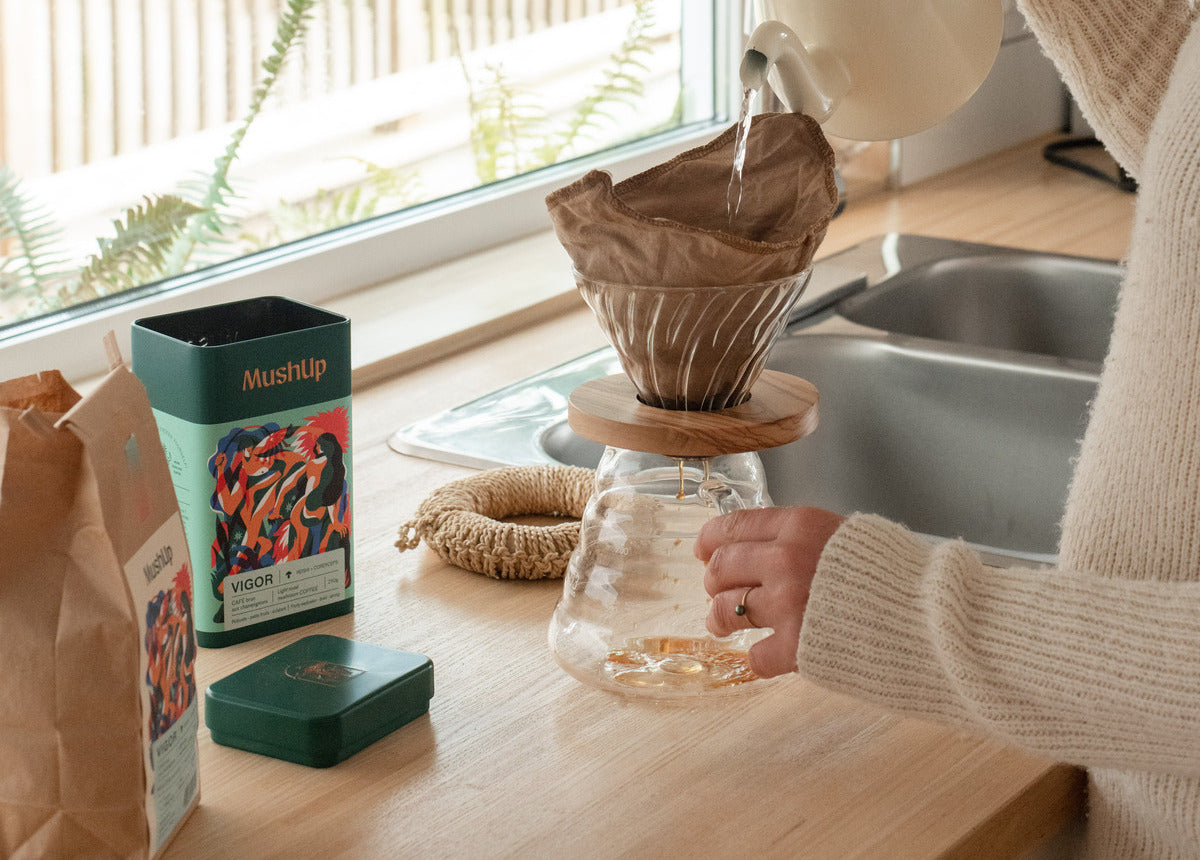
MushUp coffees, which contain adaptogenic mushrooms , will also support your immune system, in addition to providing antioxidant, anti-cancer, stimulating, or calming properties. Our VIGOR range is excellent for mocktails thanks to its fruity notes and more acidic taste.
Stay in control of your consumption
The movement launched by Alcohol Change UK does not aim to put pressure on consumers, but rather to encourage them to reflect on their habits with the goal of establishing, in the long term, better control over their alcohol consumption.
For those who do not want to deprive themselves in winter, the association also offers sober spring and several other actions around alcohol-free living.
Will you be tempted?